How Public Benches Became Part of Civic Life
Public bench history comes into focus through parks, transit stops, and civic grounds, revealing how ordinary seating supports waiting, rest, and shared use.
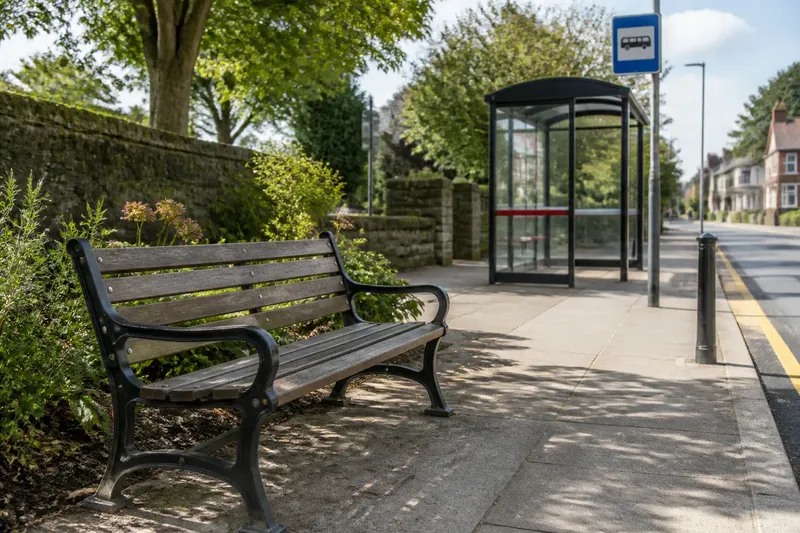
At a bus stop, a bench can turn an exposed wait into a pause; in a park, it can make watching the path an ordinary use of the place. Public bench history is less a story of one invention than a record of how communities have fitted seating into shared spaces.
How did benches enter shared public spaces?
There is no single origin point that explains the public bench. Seats have appeared in different forms and settings over time, shaped by local materials, building practices, and the purposes of a place. A park bench, a station seat, and a stone ledge outside a civic building may look related without sharing one history.
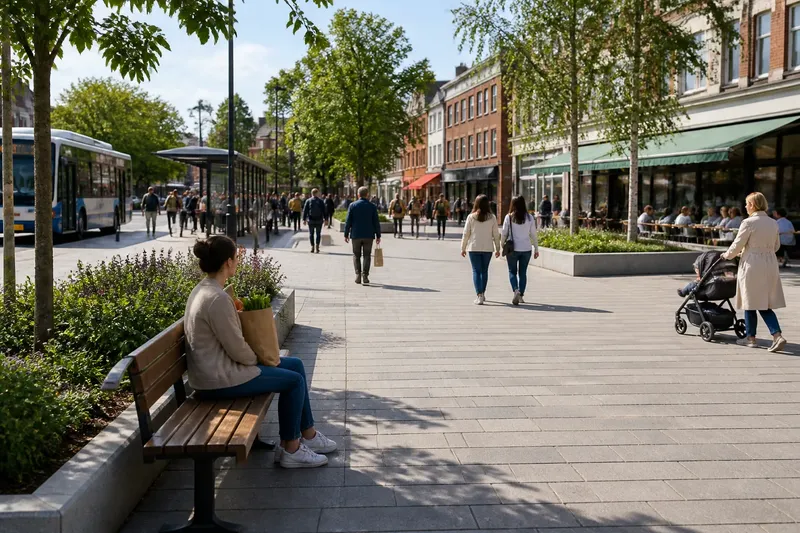
As public parks, promenades, transport facilities, and civic grounds developed, seating became part of how people used them. It let visitors rest during a walk, wait for a vehicle, or sit while others moved through the space. The change was practical as much as symbolic: a path could serve movement, while a seat made pausing an expected activity too.
Later changes in materials and manufacture widened the available forms. Timber, cast iron, stone, and molded materials each suited different settings and maintenance needs. A material can help describe a bench, but it cannot date it by itself; a replacement may follow an older design, and a weathered surface is not a reliable calendar.
What changed as public seating spread?
As seating became familiar in parks and transit areas, its placement began to shape how people could use those places. A bench beside a path supports a short rest without stopping foot traffic. A seat facing a bandstand or garden gives people a reason to remain and watch. Near a service entrance, it can accommodate someone waiting for an appointment or a companion.
Those arrangements made public presence less dependent on having a specific errand. Someone could sit in a park without buying anything or entering a building. That does not mean every seat was equally comfortable or accessible, but it made rest and waiting visible parts of shared life.
Design also set limits. Individual seats or dividing armrests can prevent a continuous reclining surface; a narrow position beside a busy route can make lingering awkward. These are observable effects, not proof of a particular motive. For the history of a specific installation, local parks records, transit plans, meeting minutes, or archived site plans are better evidence than a confident guess about an armrest.
How did benches serve different places?
Public seating took on different jobs according to its setting. Transit stops needed places to wait; gardens and promenades offered places to pause and look; civic buildings could use seats for visitors and people waiting outside. The same bench design could move between these settings, but its relation to the surrounding route gave it a different role.
- Transit stop: If the seat is near the boarding point and outside the walking line, then it can support waiting; if it is across a difficult crossing or blocks the route, then note the access problem and look for another waiting area.
- Park path: If a bench faces a garden, water, or activity area, then it supports looking and pausing; if it faces a blank wall or backs onto a noisy route, then describe that setting rather than assuming the seat invites a long stay.
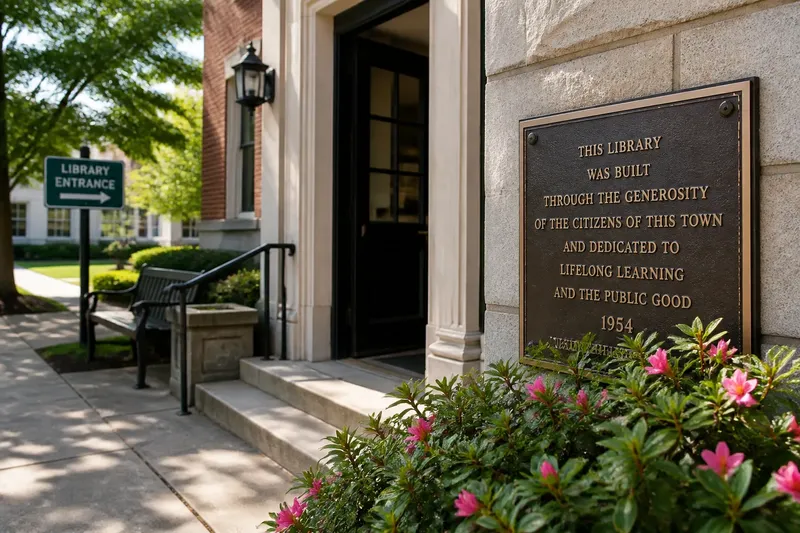
- Civic entrance: If the bench is near the entrance and easy to reach, then it may serve visitors waiting for someone; if it sits away from the entrance, then record its actual position and avoid treating the building’s formal frontage as its purpose.
- Promenade or plaza: If seats face one another or a shared view, then conversation or watching may be easier; if seats are isolated or divided, then note how that arrangement changes the available ways to sit together.
- Route through a public space: If the bench is beside the main flow, then a pause can happen without obstructing pedestrians; if it narrows the path, then record the obstruction and identify a nearby clear route if one exists.
- Shaded or sheltered area: If a seat is protected from sun or rain, then it offers a more sheltered pause; if it is exposed, then note the conditions and consider whether a nearby covered seat is available.
Say a visitor reaches a neighborhood bus stop and sees a bench across the path from the shelter. They note that the seat has a backrest, faces the street, and sits outside the marked walking route, while the shelter is on the opposite side. The result is a specific record: the bench appears to support waiting and watching, but the separation from the shelter may matter in poor weather. The visitor can compare that description with a site plan or ask the transit agency whether the arrangement is intentional; the observation alone does not settle the reason.
What questions help explain public bench history?
Why are benches placed near transit stops?
They give passengers a place to wait between arrival and departure. Distance from the boarding point, shelter, and clear walking routes determines how useful that placement is.
What can bench materials tell you?
Materials such as timber, metal, stone, or molded plastic describe the construction and can suggest maintenance considerations. They do not establish the bench’s age or the reason it was selected.
Do armrests explain a bench’s original purpose?
Armrests affect how people can use a seat, including whether several people can sit closely or someone can lie across it. Their visible effect is clear; the motive behind the design needs documentary evidence.
Where can you look for a bench’s installation history?
Try the relevant parks or transit department, local meeting minutes, public works records, and archived site plans. A dedication plate may provide a date or name, but it may not explain the bench’s placement or later changes.
What should a useful record include?
For a civic record, note the bench’s location, orientation, material, condition, nearby routes, and relation to entrances, shelters, or views. Keep a description of what is present separate from an interpretation of what it may support. If there is a plaque or maintenance notice, transcribe it as a separate source rather than treating it as an explanation of every design choice.
A photograph should show enough surroundings to establish the bench’s relation to the path and nearby features. A close-up can help identify slats or armrests, but it cannot show whether a wheelchair user can approach the seat or whether the route is blocked. Pair images with a short written description, and consult agency records if dates or decisions matter.
It is not worth trying to infer a precise installation date from weathering or a public policy from one seating feature. Those details can point toward a question, not answer it.
What can a bench leave out?
A bench records only part of how a place works. Its presence does not tell you whether the route is accessible, whether shelter is available, or how comfortable people feel using the surrounding space. Shade, water, lighting, nearby services, and path conditions can change what a pause is like.
For public bench history, the useful record is therefore both modest and specific: where the seat stands, what it allows someone to do, and what nearby conditions affect that use. If an access or safety concern matters, check current guidance from the responsible local agency or consult a qualified professional where appropriate. A bench is small evidence, but its place in the landscape can show how a public space makes room—or fails to make room—for people to stop.